


A collision involving a company vehicle can leave an employee dealing with pain that affects both daily life and the ability to work. Truck accident chiropractic care may help people injured while driving pickups, utility trucks, delivery vehicles, box trucks, service vans, and other employer-owned vehicles. For workers in Everett, a prompt evaluation can identify musculoskeletal injuries, document physical limitations, and establish an appropriate treatment plan.
Why Work-Truck Accidents Cause Complex Injuries
Driving a work truck often involves more than traveling from one location to another. Employees may spend hours seated behind the wheel, repeatedly climb into a high cab, load equipment, secure materials, or lift tools throughout the day. A collision can add sudden force to muscles and joints that were already under physical strain.
Seat position, vehicle height, cargo weight, and the direction of impact can influence the resulting injuries. A rear-end collision may force the head and neck backward and forward, while a side impact can twist the spine, hips, and shoulders. The driver may also brace against the steering wheel or pedals, contributing to wrist, elbow, shoulder, knee, or ankle pain.
A detailed work-related injury evaluation helps distinguish collision-related injuries from ordinary soreness. This distinction is especially important when an employee needs documentation for a work-related claim or temporary job restrictions.
What Injuries Can Affect Work-Truck Drivers?
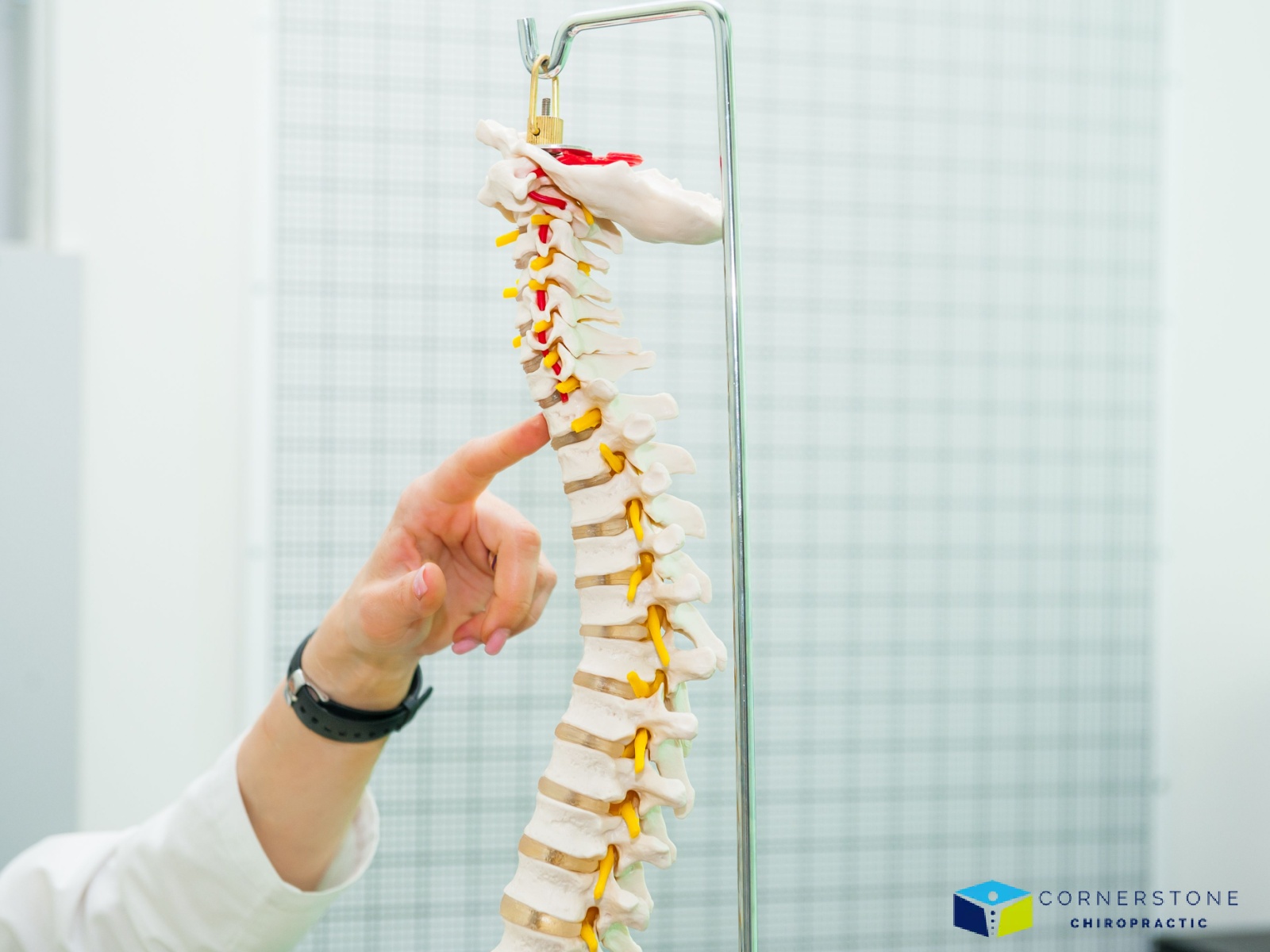
Whiplash is frequently associated with rear-end collisions, but it involves more than neck discomfort. Symptoms can include headaches, upper-back pain, shoulder tension, restricted neck movement, dizziness, and pain that extends into the arms. Some drivers feel symptoms immediately, while others notice increasing stiffness over the following hours or days.
Low-back injuries can occur when the pelvis and torso move against the seat during impact. A driver may experience muscle strains, joint restrictions, disc irritation, or pain traveling into a leg. The physical demands of returning to work can aggravate these problems, particularly when the job requires lifting, bending, climbing, or prolonged driving.
Other possible concerns include rib soreness from the seat belt, knee pain from striking the dashboard, shoulder injuries from bracing, and hand or wrist pain from gripping the steering wheel. Targeted whiplash treatment planning should account for every affected area rather than concentrating only on the most painful symptom.
When Should an Injured Driver Seek Care?
An injured employee should seek immediate medical attention for severe headaches, loss of consciousness, confusion, chest pain, shortness of breath, abdominal pain, progressive weakness, significant bleeding, or difficulty walking. Emergency care is also appropriate when a driver suspects a fracture or experiences numbness, loss of coordination, or changes in bladder or bowel control.
Less dramatic symptoms still deserve attention. Neck stiffness, recurring headaches, low-back pain, muscle spasms, or reduced range of motion can interfere with safe driving and physical job duties. Waiting until pain becomes severe may make it harder to determine when the symptoms began and how they relate to the collision.
Washington State workers injured while performing job duties should notify their employer and obtain appropriate medical care. The Washington State Department of Labor & Industries advises injured workers to get medical help and tell their employer. Insurance and claim procedures can vary, so employees should confirm requirements with the appropriate claim representative.
How Can Chiropractic Care Help?
Truck accident chiropractic care focuses on musculoskeletal injuries affecting the spine, joints, muscles, and supporting soft tissues. The first visit should include a discussion of the collision, symptom development, prior injuries, job demands, and current physical limitations. The chiropractor may also evaluate posture, joint movement, strength, reflexes, and areas of tenderness.
Individualized chiropractic adjustments planning may include manual adjustments, instrument-assisted care, drop-table techniques, flexion-distraction, or other controlled treatments. Technique selection depends on the diagnosis, injury severity, patient comfort, and whether medical imaging or additional evaluation is needed.
Chiropractic care may help some patients manage neck pain, low-back discomfort, stiffness, and restricted movement after a collision. According to the National Center for Complementary and Integrative Health, spinal manipulation may provide benefits for certain types of low-back and neck pain. Treatment should remain specific to the diagnosed injury and should be adjusted according to the patient’s response.
What Role Does Massage Therapy Play?
Massage therapy may be included when a work-truck collision causes muscle guarding, spasms, or persistent soft-tissue tension. Coordinated massage therapy sessions can address tight muscles around the neck, shoulders, upper back, hips, and lower back while supporting comfortable movement.
The appropriate pressure depends on the injury. Deep-tissue work is not always suitable immediately after a collision, especially when bruising, swelling, or acute inflammation is present. A gentler approach may be used initially, with treatment modified as the injured tissues recover.
Massage does not replace an examination or correct every accident-related injury. It may complement chiropractic treatment by reducing muscle tension and helping the patient tolerate movement more comfortably. The chiropractor and massage therapist should understand the collision details and coordinate care around the same functional goals.
Frequently Asked Questions
Can a chiropractor treat injuries from a work-truck accident?
A chiropractor may treat certain musculoskeletal injuries involving the neck, back, joints, and soft tissues. An examination is necessary to determine whether chiropractic care is appropriate or whether the injured driver needs medical imaging, emergency care, or another specialist.
What if pain does not begin until after the accident?
Some collision-related symptoms become more noticeable several hours or days after an accident. Injured workers should report new symptoms promptly, explain when they began, and obtain an evaluation rather than waiting for the pain to become severe.
Can massage therapy be included in work-truck accident care?
Massage therapy may help address muscle tension, spasms, and soft-tissue discomfort. Pressure and technique should be selected according to the injury, especially when bruising, swelling, or acute inflammation is present.
Should I report a work-truck accident to my employer?
Employees injured while performing job duties should notify their employer promptly and seek appropriate medical care. Claim and insurance procedures vary, so workers should confirm the required steps with their employer or claim representative.
Why Documentation Matters After a Work-Truck Accident
Accurate documentation creates a record of the employee’s symptoms, examination findings, treatment recommendations, and functional limitations. Drivers should describe the collision clearly, including the direction of impact, body position, immediate symptoms, and changes noticed afterward. They should also explain whether the job requires loading cargo, operating equipment, climbing, lifting, or extended driving.
Keeping appointments and reporting changes honestly helps the provider evaluate progress. The record should reflect measurable changes, such as improved neck rotation, increased lifting tolerance, fewer headaches, or the ability to sit comfortably for longer periods.
Documentation should never exaggerate symptoms or guarantee that a claim will be accepted. Its purpose is to create a consistent clinical record and help the provider communicate appropriate work limitations. Clear records may also prevent unnecessary treatment costs by showing whether care is producing meaningful improvement.
Can You Continue Working During Treatment?
Some employees can continue working with temporary modifications, while others need time away from specific duties. The answer depends on the injury, job demands, and whether pain or restricted movement creates a safety concern.
A driver with limited neck rotation may have difficulty checking mirrors or blind spots. Someone with low-back pain may not tolerate extended sitting, lifting, or repeated entry into a truck cab. Temporary restrictions might address driving duration, lifting weight, climbing frequency, or the need for additional breaks.
Returning to full duty too quickly can aggravate healing tissues, but unnecessary inactivity can also contribute to stiffness and reduced conditioning. A practical plan should support a gradual, medically appropriate return to activity. Employers, claim representatives, and healthcare providers may need to coordinate restrictions and progress updates.
What Should a Recovery Plan Include?
Effective care should focus on function rather than appointment numbers alone. Treatment goals may include restoring neck movement, reducing headaches, improving sitting tolerance, or returning to required lifting tasks. The plan should be reassessed when the patient reaches a goal, develops new symptoms, or fails to improve as expected.
Employees should understand the purpose of each recommended service, anticipated treatment duration, billing procedures, and signs that require medical referral. If progress stalls, the provider may modify treatment, request imaging, or coordinate with another healthcare professional.
If neck pain, back pain, headaches, or limited movement continues after an on-the-job vehicle collision, truck accident chiropractic care may be appropriate. Call Cornerstone Chiropractic at (425) 689-7767 to schedule an evaluation at our Everett clinic and discuss treatment for your work-truck accident injuries.