


A backpack is part of the daily school routine, but when it becomes overloaded or is worn incorrectly, it can change the way a child stands and moves. Concerns about backpack posture children develop for good reason: a heavy bag may cause a child to lean forward, raise the shoulders, or shift weight from side to side to compensate for the load. While carrying a backpack does not automatically mean a child will develop a spinal problem, recurring pain, noticeable posture changes, or discomfort after school should not be dismissed as a normal part of growing up.
What Happens When a Backpack Is Too Heavy?
The body naturally adjusts when weight is added behind it. When a backpack feels manageable, a child can generally walk, stand, and climb stairs without making significant changes to normal movement. Add too much weight, however, and the body has to compensate.
A child may lean the upper body forward to counterbalance the backpack. The head may move farther forward, the shoulders may round, and muscles through the neck and upper back may work harder to maintain that position. If the backpack hangs unevenly, the child might also shift toward one side.
Those compensations can contribute to muscle fatigue, soreness, and stiffness. Children who are already experiencing growth spurts, participating in sports, or spending hours seated at school may be especially sensitive to additional physical strain. Our pediatric chiropractor services focus on the specific musculoskeletal needs of growing children rather than treating them like smaller versions of adult patients.
Watch How Your Child Carries the Backpack
Weight matters, but so does how the backpack is worn.
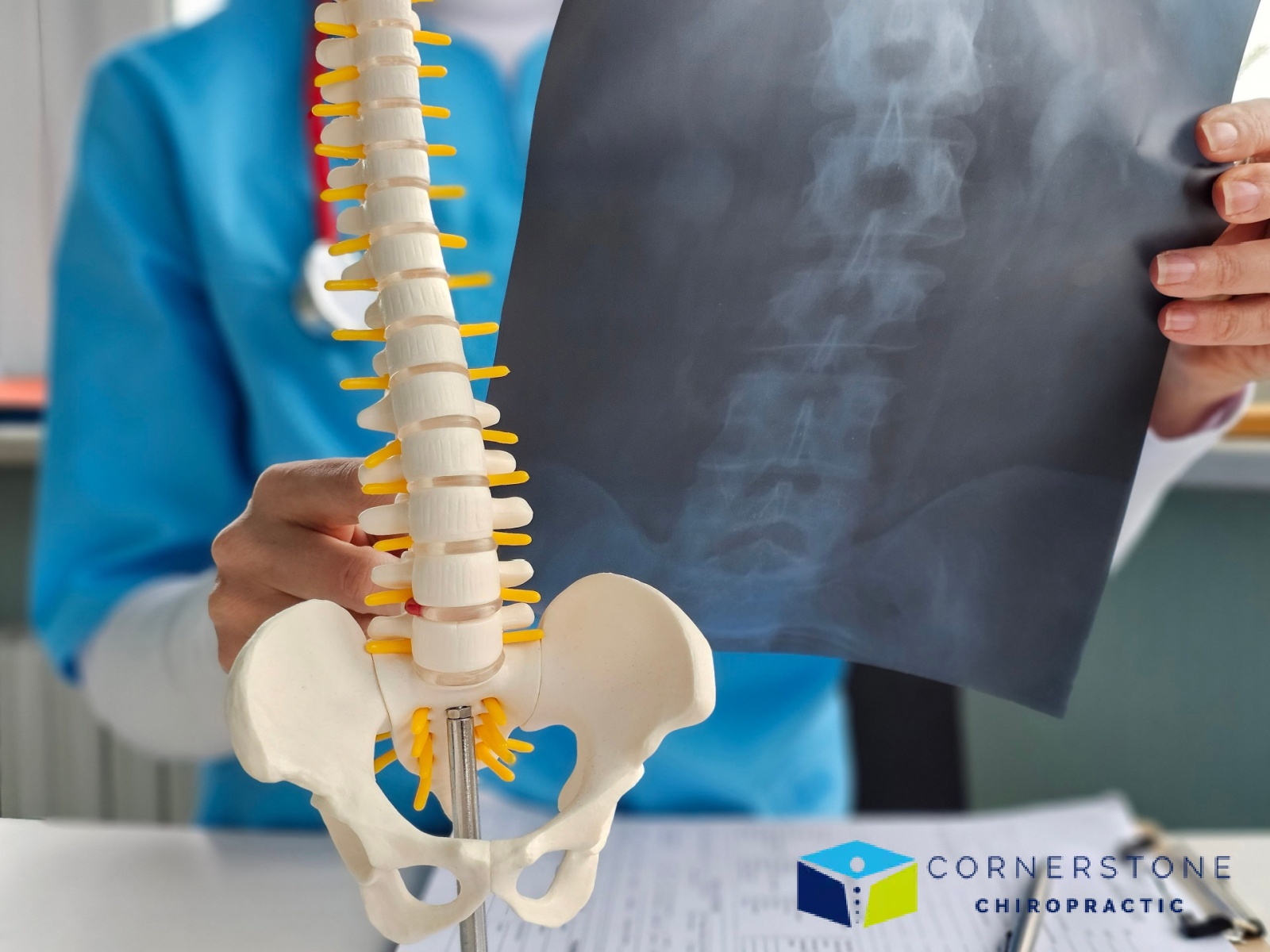
Using only one shoulder strap creates an uneven load and can encourage the child to elevate one shoulder or lean toward the opposite side. A backpack hanging far below the waist can pull backward on the upper body, while loose straps allow the bag to move excessively with each step.
Ideally, both shoulder straps should be used, adjusted so the backpack stays relatively close to the body. Wider, padded straps can distribute pressure more comfortably than narrow straps that dig into the shoulders.
Parents should also pay attention to what happens when the backpack comes off. Does your child immediately rub the neck or shoulders? Are there deep strap marks? Do they complain about headaches, back pain, tingling, or soreness? Those observations may reveal that the daily load is creating more strain than your child realizes.
School Habits Affect More Than Backpack Posture
The backpack is only one part of a child’s school-day movement pattern. Students may spend significant portions of the day sitting at desks, looking downward while reading or writing, using laptops or tablets, and moving between classrooms with bags and supplies.
After school, homework and recreational screen time can add several more hours of sitting. A child who then participates in sports may go directly from prolonged sitting into running, jumping, throwing, or other demanding movements.
Our existing resource on chiropractic care supports growing bodies and busy kids explores how growth, school routines, activity, and sports can influence children’s movement and comfort. Looking at the entire day provides a more useful picture than assuming the backpack alone is responsible for every complaint.
Normal Tiredness or a Sign of a Problem?
Occasional fatigue after a long school day is different from persistent musculoskeletal discomfort.
Pay attention when your child repeatedly complains about neck, shoulder, or back pain after carrying a backpack. Other warning signs can include difficulty standing comfortably upright, one shoulder appearing higher than the other, reduced range of motion, frequent headaches, or avoiding activities that were previously comfortable.
Pain that continues even when the backpack is not being worn deserves closer attention. So does discomfort that interferes with sleep, school participation, sports, or normal play.
A sudden injury, significant weakness, numbness, loss of coordination, or severe pain should be evaluated promptly by an appropriate healthcare professional. Not every childhood back or neck complaint is related to posture, and determining the actual cause matters.
Backpack Changes vs. Professional Evaluation
Simple backpack changes and professional care serve different purposes.
Reducing unnecessary contents, adjusting the straps, using both shoulder straps, and choosing a properly sized backpack can reduce avoidable daily strain. These changes make sense even when a child has no symptoms.
Professional evaluation becomes more appropriate when pain is persistent, movement has changed, or posture concerns continue despite improving backpack habits. A chiropractic examination can look at spinal and joint movement, posture, muscle tension, and how the child moves during age-appropriate activities.
When treatment is appropriate, chiropractic adjustments can be tailored to the child’s age, size, comfort, and individual needs. Pediatric chiropractic care should never rely on a one-size-fits-all treatment plan.
Growing Bodies Need Room to Move
Children can change rapidly during growth spurts. Legs get longer, coordination temporarily changes, and movement patterns may look different as the body adjusts. Add school bags, desk time, athletics, and recreational activities, and there are numerous physical demands occurring at once.
That is one reason parents should avoid focusing exclusively on how straight a child’s back looks. Posture is dynamic. The more useful questions involve comfort, mobility, symmetry, and whether the child can perform normal activities without recurring pain.
Active children may face additional demands. Students who carry a heavy backpack all day and then head directly to practice are moving from one type of physical stress to another. Our sports injury chiropractic services address injuries and movement problems associated with athletics and active lifestyles, which may be relevant when school-related discomfort overlaps with sports participation.
Frequently Asked Questions
Can a heavy backpack cause back pain in children?
A heavy backpack can contribute to muscle fatigue, soreness, and changes in how a child stands or walks. Persistent pain should be evaluated rather than automatically attributed to the backpack.
What are signs that my child’s backpack may be causing strain?
Watch for recurring neck, shoulder, or back discomfort, leaning forward while walking, raised or uneven shoulders, deep strap marks, headaches, or complaints that consistently appear after carrying the backpack.
Should children use both backpack straps?
Using both shoulder straps generally distributes the load more evenly. Carrying a backpack over one shoulder can create an uneven load and encourage compensatory movement patterns.
When should backpack-related pain be professionally evaluated?
Consider an evaluation when discomfort persists after the backpack is removed, repeatedly returns, limits normal movement, affects sports or sleep, or continues after the backpack’s fit and contents have been adjusted.
Reducing Unnecessary Backpack Strain
Start by emptying the backpack completely. Old papers, extra books, water bottles, electronics, sports equipment, and miscellaneous supplies can accumulate without anyone realizing how much weight has been added.
Encourage your child to carry only what is necessary for that day. When possible, heavier items should sit closer to the back rather than toward the outer compartments, where they can pull the bag farther away from the body.
Fit also matters. A backpack designed for an older teenager may be unnecessarily large for a younger student. Oversized bags make it easier to carry more than necessary and can be difficult to position correctly.
Finally, ask children how the backpack feels instead of relying entirely on appearance. Younger children in particular may assume discomfort is normal because they carry the same bag every day.
When It Is Time to Schedule an Evaluation
Persistent pain is the clearest reason to seek professional guidance, but it is not the only one. Changes in walking, difficulty turning the neck, recurring shoulder tension, noticeable movement asymmetry, or complaints that consistently appear after school can all justify an evaluation.
At Cornerstone Chiropractic, we evaluate the individual child rather than assuming every posture concern has the same cause. For families in the Everett area, that means considering school routines, physical activity, recent injuries, growth, and the child’s specific symptoms before determining whether chiropractic care is appropriate.
If backpack adjustments have not resolved recurring discomfort, or your child is experiencing neck, shoulder, or back pain that affects school, sports, or everyday activity, it may be time for a professional assessment. For help evaluating backpack posture concerns in the Everett area, call Cornerstone Chiropractic at (425) 689-7767 to schedule an appointment.